

What Dispatch Automation Software Actually Delivers: Inside a 14.6% Revenue Per Mile Lift
Trucking and transportation is an old-school industry. It’s traditionally taken time for most innovations and new technologies to ripple across the country, transforming the status quo and creating new efficiencies.
But dispatch automation is different. At a time when profitability has been difficult to achieve, dispatch automation has delivered incredible benefits and significant performance improvements for fleets. That’s why more and more fleets are rapidly embracing dispatch automation as a lifeline in a challenging market.
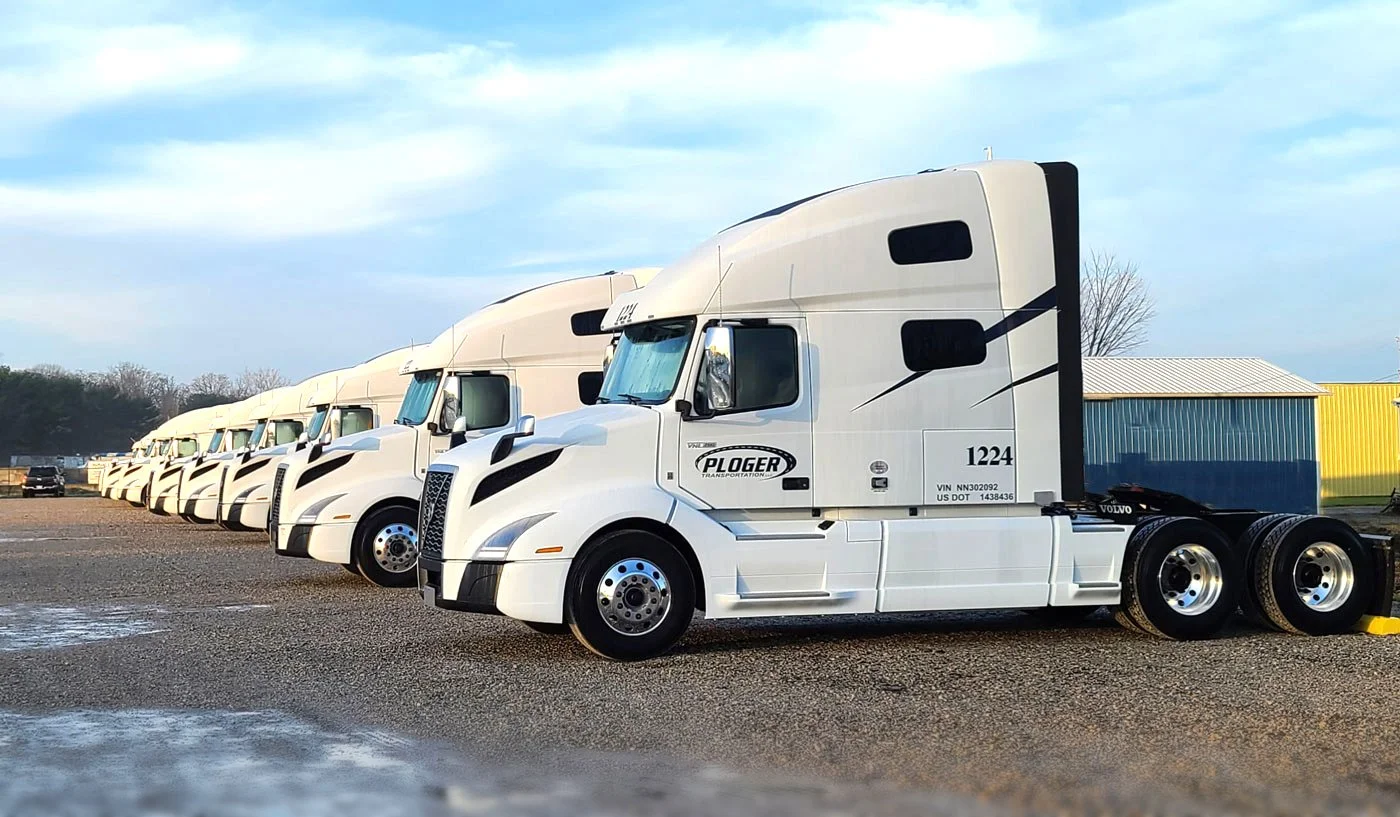
Look at Ploger Transportation as an example. This Ohio-based food-grade carrier increased weekly revenue per mile by 14.6% and load volume by 21.4% after deploying dispatch automation — all while headcount remained flat. That’s the headline number, and it’s a good one, but the story underneath is more interesting.
Here’s more on the challenges that led Ploger to dispatch automation with Optimal Dynamics, plus the benefits the company enjoyed after launching our platform.
The Planning Grind is a Problem
Meet the planning team at most trucking companies, and the picture is familiar. You’ll find spreadsheets open across three monitors. You’ll see inbound and outbound teams working from separate playbooks, often duplicating each other’s effort and occasionally working at cross purposes. And you’ll discover that most dispatchers carry half the decision logic in their heads, because this knowledge has nowhere else to live.
The result of this traditional approach is that decisions take longer than they should and are more vulnerable to error. Nothing stays consistent across the network, because the math behind each call depends on who’s at the keyboard and how tired they are at 4 p.m.
It’s tempting to just add more planners, but that doesn’t work. Adding planners eats into the margin you’re trying to protect, and even then, you don’t get consistency. You get more individual judgment calls running in parallel. Most operations leaders have known for years that the real answer lies in dispatch automation.
Ploger’s Operations Manager, Zach Cellar, put it plainly:
“Manually dispatching and planning loads daily was a grind … making sure you’re still servicing your customers, making the company profitable, and keeping the drivers productive was a challenge.”
Most carriers have the same experience, but few take action. The cost is real, but it’s spread across enough people and enough days that most companies turn a blind eye.
What Dispatch Automation Really Replaces
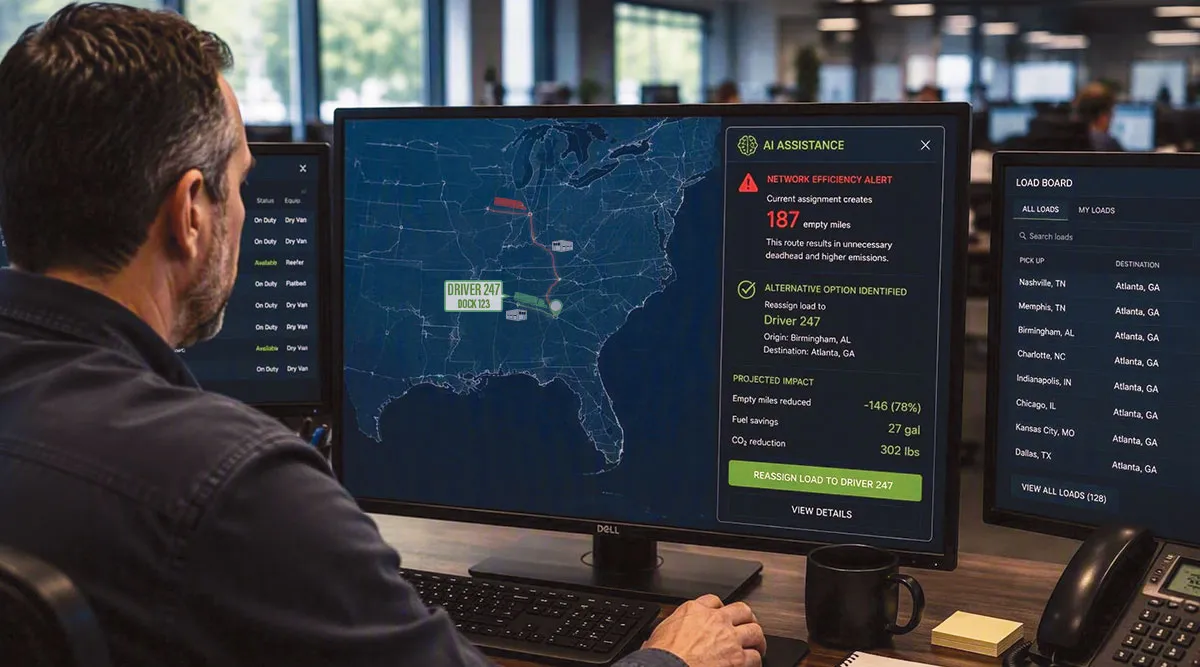
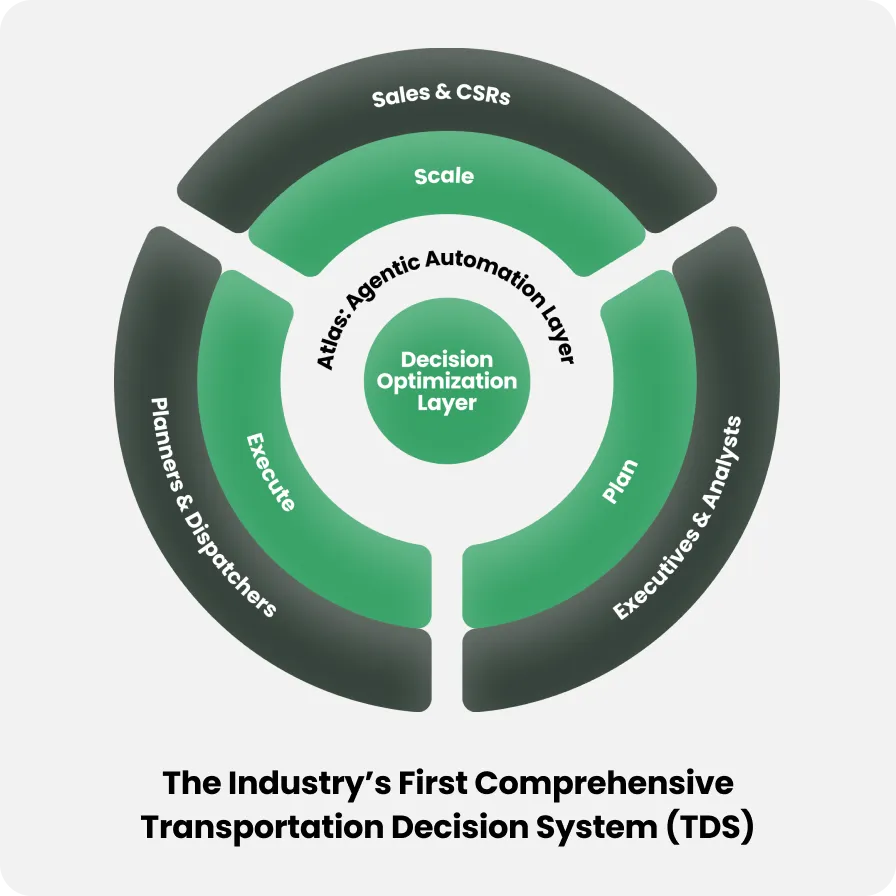
Dispatch automation software doesn’t replace the planning role, but it does replace the computation underlying every assignment: driver-hour math, home-time preferences, customer windows, equipment fit, network position, and overall profitability.
Those calculations need to happen for every load, every day, and they happen in a planner’s head or in a spreadsheet at most carriers. Neither solution is effective. Automated dispatch software does it faster, applies it consistently across the whole network, keeps doing it 24/7, and maximizes decisions to meet network objectives. The planner stays in the room, but the load math lives somewhere else.
That distinction showed up in four areas after Ploger launched dispatch automation:
The inbound/outbound split collapsed into one plan. Both teams had been planning against the same network from different ends, which created duplicated effort and occasional cross-purposes. Once Ploger started using Optimal Dynamics’ Dispatch solution, the plan came from a single optimized view.
Assignments became continuous instead of point-in-time. Manual planning freezes a decision the moment a planner moves to the next load. Optimal Dynamics’ Decision Automation Platform keeps re-optimizing in the background as conditions shift, so the plan you have at 10 a.m. isn’t the plan you’re stuck with at 2 p.m. when a customer pushes a delivery window.
The system doesn’t take breaks. Decisions stay consistent, even when half the planning team is on vacation. That sounds like a small thing until you’ve lived through it at a trucking company.
The leading indicator showed up fast. Adherence to automated dispatch recommendations climbed past 80%. Trust is what determines whether automation actually changes operations or just runs in a tab nobody opens. Ploger’s planners crossed the trust gap quickly, and the rest of the results followed.
Automating Freight Procurement
Ploger’s procurement team was juggling 10 to 20 load boards at a time, sourcing spot freight to fill the network’s open capacity. That’s common at most carriers: tabs open across multiple boards, planners cross-referencing rates, trying to triangulate which load fits the network they’re building. Loads that look good against the rate sheet get taken without anyone scoring them against the trucks they’ll need, the home-time clocks running on the drivers covering them, or the next load each truck needs to be set up for.
Source by Optimal Dynamics consolidated all of that into a single screen, with every available load scored against the Ploger network’s actual position. Planners gained the ability to ask which load fits the trucks they have, the lanes they need to fill, and the drivers they need to keep moving.
This is what leads to revenue-per-mile gains. When you’re quickly choosing the best freight for your specific network, performance improvements are inevitable.
Ploger’s Improvement By the Numbers
The Ploger results sit in three numbers worth a deep dive:
+14.6% weekly revenue per mile. Revenue per mile moves when the freight you’re choosing is better, when the routing underneath it is tighter, or when both improve at once. At Ploger, Source surfaced additional loads for the network. Dispatch routed those loads against the right drivers and assets.
+21.4% load volume. Ploger achieved this improvement by using the same planners to move more freight through the network (no new headcount needed). This number tells you that automation can expand what the team can do without the marginal cost of adding planners. For an ops leader trying to grow without increasing costs, this number makes a compelling argument for dispatch automation.
80%+ adherence to automated dispatch recommendations. As noted above, adherence is the daily vote planners cast on whether to trust the system. At 80%, the team is executing against the platform's recommendations (rather than second-guessing them). That’s the leading indicator of every other gain, and it’s what separates dispatch automation deployments that deliver from the ones that quietly stall.
“Once we fully embraced the needed changes, Optimal Dynamics helped slow down our day,” said Ploger’s Zach Cellar. “It optimizes at a quicker speed and helps us make better decisions faster … the difference has been night and day.”
How a Planner’s Job Changes With Automation
At Ploger, rolling out dispatch automation meant restructuring the planning team around three distinct roles:
- Operators execute the automated plan, keeping optimized assignments moving cleanly through the day.
- Exception managers handle the disruptions the optimizer doesn’t see: breakdowns, absences, and last-minute customer changes that fall outside the platform’s view.
- Source specialists work the broker market through the Source module, focused on finding and securing the best loads for the network.
It’s important to be honest with your team about how dispatch automation will transform roles. For experienced planners, that means the judgment they bring to their work is still theirs, but the calculation behind it moves to the platform.
Two investments make all the difference in the change management process.
- A hands-on rollout: Optimal Dynamics specialists sat alongside Ploger’s planning team during deployment, working through real-world cases, answering questions in the moment, and building trust in the system one decision at a time.
- Explainability: The platform includes an explanation engine built on a large language model that, in plain language, tells planners why the system is making its recommendations. Planners can read the system’s reasoning and verify it against their own judgment, which often serves as the bridge from skepticism to adoption.
The dispatcher role changes with automation rather than disappearing, and carriers that invest in making that change effective are the ones who see the gains stick.
What Dispatch Automation Could Mean for Your Operation
If your planners are still building load assignments in spreadsheets, Ploger’s story shows that you’re missing out on significant improvements across a number of metrics. At a time when it’s difficult to profitably operate in the trucking industry, fleets need all the efficiencies and savings they can find.
Read the full Ploger case study to learn more about this company’s journey with dispatch automation, plus the post-launch benefits it has enjoyed. And get in touch for a demo of how Optimal Dynamics’ platform can benefit your operation.