

How Can Carriers Control Rising Trucking Costs? 5 Lessons From Our Webinar With ISAAC and McLeod
Carriers can’t set diesel prices or repair shop rates. They can control how many miles their trucks run, how much work each driver hour produces, and how well their systems share data. When the TMS, decision optimization, and in-cab workflow systems run as one loop, fleets cut unnecessary miles, keep drivers paid, and make better decisions on every load.
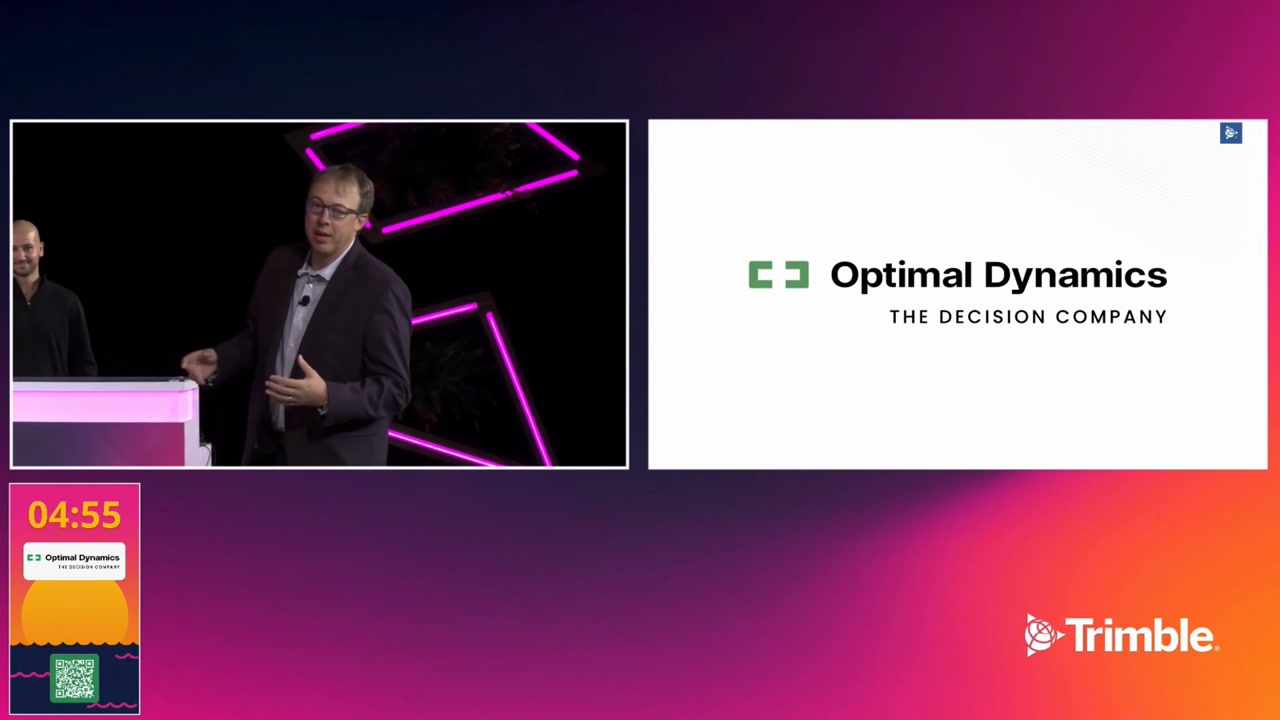
That was the theme running through “The High-Cost Reality of Trucking — And What to Do About It,” a Nov. 4 webinar hosted by ISAAC Instruments with McLeod Software and Optimal Dynamics. J.S. Bouchard, chief product officer and co-founder of ISAAC, moderated a panel that included:
- Ben Marks, VP of sales engineering and customer success at Optimal Dynamics
- Dacia Gulledge, director of integration, product, at McLeod Software
- Matt Ruth, chief partnership and integration officer at ISAAC
The backdrop is familiar. ATRI found that the cost of operating a truck, excluding fuel, rose 4.2% in 2025, with repair and maintenance up 8.6% and tolls up 13.2%. U.S. diesel averaged $6.13 a gallon the week of Nov. 9, up $2.29 from a year earlier. When the panel polled attendees on their biggest cost pressure, fuel came first, followed by repair and maintenance, driver turnover, and insurance.
You can watch the full replay on YouTube or read Truck News’ coverage of the session. Here are 5 lessons from the webinar, plus video highlights.
1. The Cheapest Mile Is the One You Don’t Run
Ben opened with a line from Challenger Motor Freight, an Optimal Dynamics customer: the greenest mile you run is the one you don’t. “Well, it turns out that’s also the cheapest mile you run,” he said.
Every unnecessary mile burns fuel, adds wear, and puts a driver and a truck at risk on the road. Ben said that as Optimal Dynamics customers have tuned their goals in the platform, they’ve seen deadhead fall between 4% and 8% across over-the-road, regional, and local fleets.
Those gains come from planning across the whole network. Ben gave an example: instead of sending a truck 200 miles to take a load you already know about, the platform might recommend positioning it 100 miles away for a load that’s forecast to show up. A closer driver coming off home time or a maintenance stop can take the first load.
He also called out relays. “Every time you relay a load, you add cost, and you add risk,” he said. Some relays are a cost of doing business. Others are relays of convenience that don’t move the business toward its goals. Showing planners ways to run a load from A to B without the stop in the middle, while still meeting service and still giving drivers their miles, removes out-of-route miles and idle time. Ben said one customer cut relays by almost 40%.
His summary of why software should carry the math: “People are really good at people problems. They’re really bad at math.”
2. Cutting Empty Miles Can Cut Driver Pay
Ben raised a trade-off that cost-cutting plans often miss: many carriers pay drivers on total miles.
“If you just cut their company empty miles by 5%, if you don’t offset that with productive miles, you’re actually sometimes cutting your driver’s wages,” he said.
So the target should be more loaded miles in the time the empty ones used to take. Ben said better visibility and faster decisions can add a quarter to half a load turn per truck per week. Fuel spend falls on the empties, and revenue and driver pay rise on the loaded miles.
3. The TMS, Optimization, and In-Cab Workflow Systems Have to Work as One
Each panelist described one layer of the same loop.
The system of record. Dacia said McLeod’s LoadMaster TMS holds the orders, loads, and master data. That data goes out to optimization providers like Optimal Dynamics, and truck locations and driver hours come back from ISAAC. Recommendations flow back into LoadMaster automatically. When a trip is done, the results return for billing, driver pay, and performance reporting, where they inform the next round of decisions. McLeod also integrates with fuel optimization partners and fuel card providers, so a carrier can compare the fuel a driver was routed to buy with the fuel they bought.
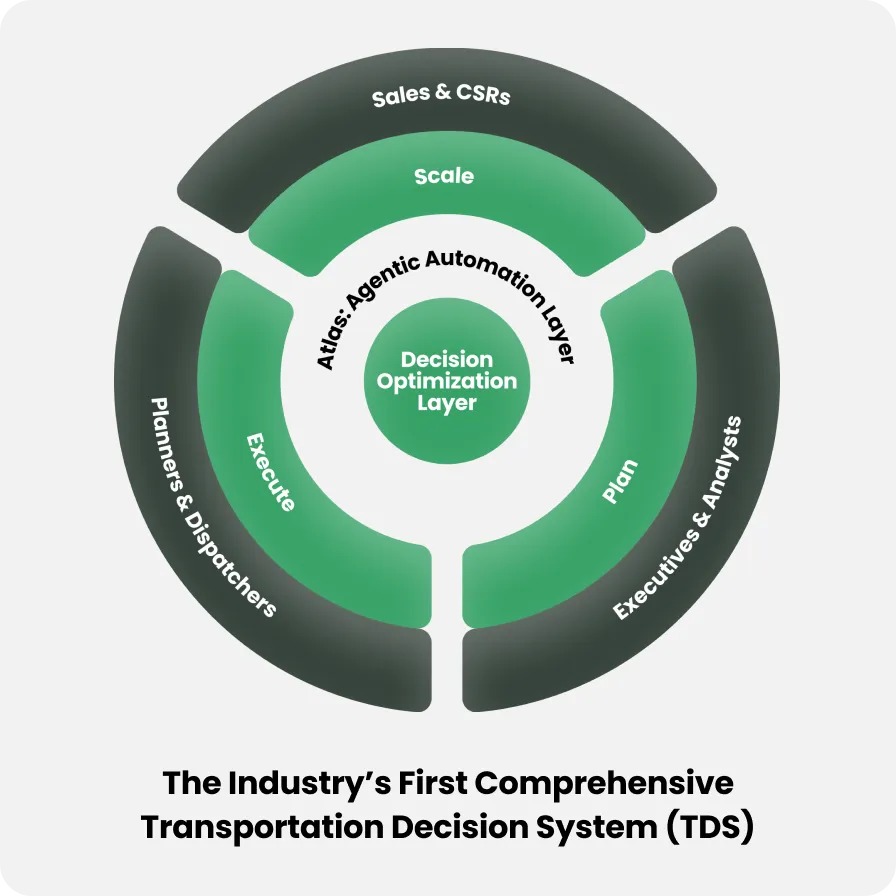
The decision layer. Optimal Dynamics looks at forecast loads, driver patterns, hours of service, facility hours, and hundreds of other variables to recommend the decision most likely to pay off for the whole network.
The execution layer. Matt described ISAAC’s predictive workflow, which walks the driver through pickup, navigation, document scanning, and ELD status changes so they can focus on driving. When fuel optimization picks a stop, it shows up on the driver’s tablet as a stop in the trip. “The driver will be automatically routed as in their trip to that fuel stop without even thinking about it,” he said. Truck-specific navigation helps keep drivers away from low bridges and the wrong gates.
Picking partners. Asked how carriers should approach new technology, the panel kept coming back to partnership. Ben said a sound vetting process covers how well a vendor works with others. Optimal Dynamics is a certified McLeod integration partner, talks with McLeod’s team every week, and works closely with ISAAC. Getting systems connected is only part of the job, he said. Data has a regional dialect: many McLeod users enter a PTA of 11:11 to signal something, and what it signals changes from carrier to carrier.
Matt put the vendor decision on a longer timeline. “You define success 3 years later,” he said. Dacia recommended picking one measurable goal, proving it out, and then expanding. She said McLeod builds and beta-tests integrations with partners and a customer before putting them into production elsewhere.
4. Roles Are Different Now with AI and Automation
AI and automation have significantly changed roles in the trucking industry. Ben specifically focused on how automation changes how a planner spends the day. “Change is hard, but it’s necessary,” Ben said, and part of the work is helping a team see where its expertise goes next. “Your experience is not irrelevant. It’s just differently relevant now.”
For a planner with 20 years in the seat, he said, the value isn’t assigning load A to driver number one. It’s protecting service for customers, engaging with drivers in a positive way to improve safety and retention, and driving revenue and margin for the whole organization. Assigning the load is the part software can handle.
5. How Long Until It Pays Off?
An attendee from a mid-sized fleet already running McLeod and ISAAC asked how quickly they could expect a return from Optimal Dynamics. Ben said it depends on the problem. A commitment management pain point can usually be solved in about 7–10 business days. The full enterprise suite is closer to 90 to 100 days time-to-value, and the return keeps building as the network, rates, and fuel prices change.
Start With Your Data
Ben closed by sharing more about who Optimal Dynamics is: the decision layer in logistics. That means getting the right freight into the network at the right time to maximize margins, taking care of drivers, and serving customers, all within the bounds of each carrier’s business, across the freight funnel from strategic simulations and bid response down to putting loads on drivers.
His advice applies to whatever tools a carrier runs. “It’s never the wrong time for data controls,” he said. “Our industry has survived on sticky notes and spreadsheets for a really long time.”
Watch the full webinar replay to hear the whole discussion, or schedule a demo to see what decision automation could do in your network.
FAQs
What Are the Biggest Trucking Costs Right Now?
In the webinar’s audience poll, fuel ranked first, followed by repair and maintenance, driver turnover, and insurance. ATRI found that non-fuel operating costs rose 4.2% in 2025, with repair and maintenance up 8.6% and tolls up 13.2%. U.S. diesel averaged $6.13 a gallon the week of Nov. 9.
How Can a Carrier Reduce Trucking Costs Without Cutting Driver Pay?
Cut unnecessary miles and replace them with loaded ones. If drivers are paid on total miles, reducing empty miles without adding productive miles lowers their pay. Optimal Dynamics’ Ben Marks said better visibility and faster decisions can add a quarter to half a load turn per truck per week.
How Do a TMS, Decision Optimization, and Telematics System Work Together?
The TMS is the system of record for orders, loads, billing, and pay. An optimization layer like Optimal Dynamics uses that data to recommend decisions across the whole network. Telematics and in-cab workflow, like ISAAC’s, carry those decisions to the driver and send location and hours of service back.
How Long Does It Take to See Results From a Network Optimization Solution?
In the webinar, Ben Marks said Optimal Dynamics can usually solve a commitment management problem in about 7–10 business days. A full enterprise deployment typically reaches value in about 90–100 days, and the return grows as the network changes.