

From Surviving to Thriving: Key Takeaways From the 2026 Optimal Dynamics User Conference
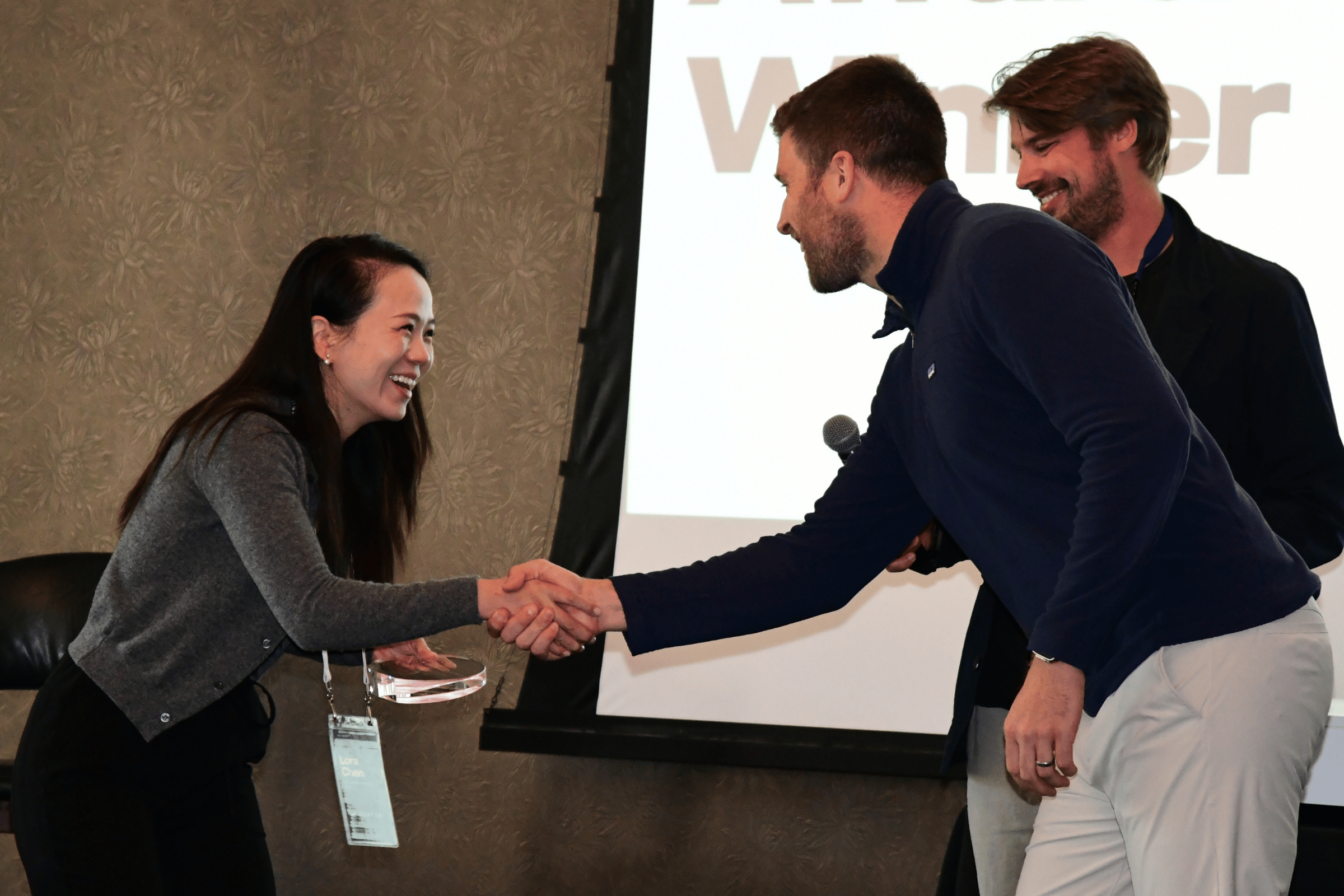
The Optimal Dynamics User Conference (ODUC) is designed to create space to think, connect, and challenge assumptions among peers navigating the same market realities. This year, the third annual ODUC brought industry leaders from across the U.S. and Canada to San Diego for three days that blended educational sessions, shared experiences, and plenty of time for informal conversation.
The goal of the event is simple but intentional: to build a community of operators willing to engage deeply with the technology, challenge the status quo, and continue innovating in this difficult market. Now that ODUC26 is in the books and attendees have returned home, here’s a look at five key takeaways from our time together in Southern California.
Takeaway #1: A Shift in Mindset From Surviving to Thriving
There was no sugarcoating the reality of the last few freight cycles — everyone in attendance had lived it. But what made this year’s conversation stand out was the deliberate shift away from simply reacting to tough conditions and toward asking a more important question: What comes next?
As Scott Kenerly, COO of Optimal Dynamics, framed it on Day 1:
“It’s been a tough couple years … so we wanted to start by having a credible, straightforward conversation about some of the challenges we’ve been through, but then really start to reframe the conversation to where are there opportunities, what are the levers for growth, and how are we really going to start thriving in 2026.”
That framing carried through the conference. Rather than waiting for the market to “turn,” discussions focused on what carriers and shippers can control right now — decisions, discipline, and the systems that support both.
The question became simply: How do we move from surviving to thriving?
Across sessions, panels, and hallway conversations, the answer kept pointing in the same direction — intentional investment, smarter decision-making, and a willingness to rethink how work gets done before conditions force the issue.

Takeaway #2: Don’t Wait for the Market to Flip — Prepare for It
Throughout ODUC26, one message surfaced again and again: The leaders who outperform in volatile markets are the ones preparing for when market conditions improve.
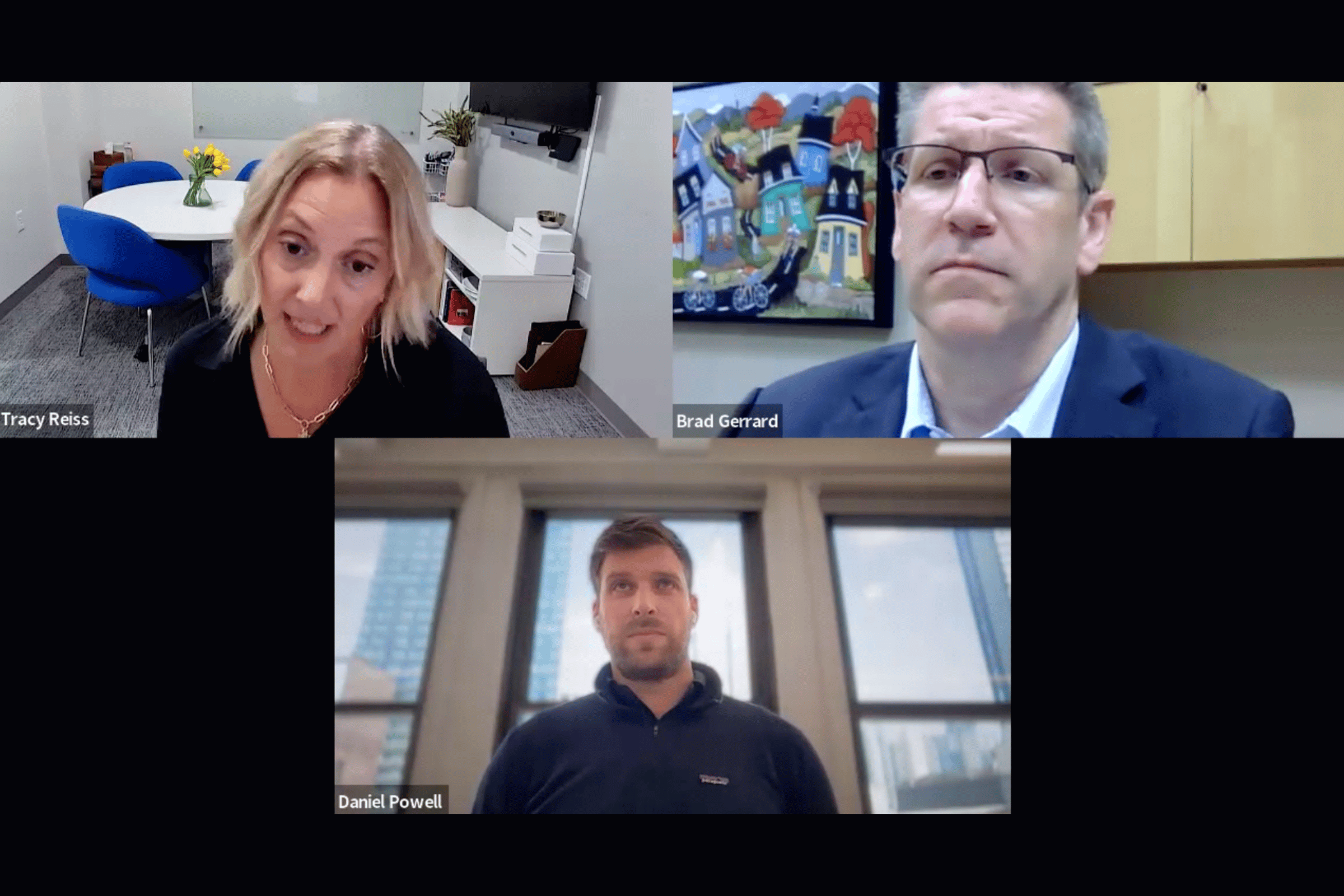
During one session, Karen Smerchek of Veriha Trucking captured a frustration many in the room recognized immediately:
“This hasn’t just been a tough year. This has been a really tough 2023, 2024, and 2025.”
The comment resonated because it was familiar. Chasing market inflection points has become a costly distraction, often leading to premature decisions or investments that don’t align with current realities.
Instead, Karen argued for a more disciplined approach — one grounded in data rather than optimism.
“Let the data show you when the industry is shifting versus an economist that is making you think you should make some really strong capital investments that the rates don’t allow you to cash flow.”
That perspective echoed across sessions. Preparation, not prediction, is what separates resilient operators from reactive ones. The focus should be on building the operational flexibility, financial discipline, and decision-making capability needed to move with confidence when conditions change.
Takeaway #3: Scaling Should Be Intentional
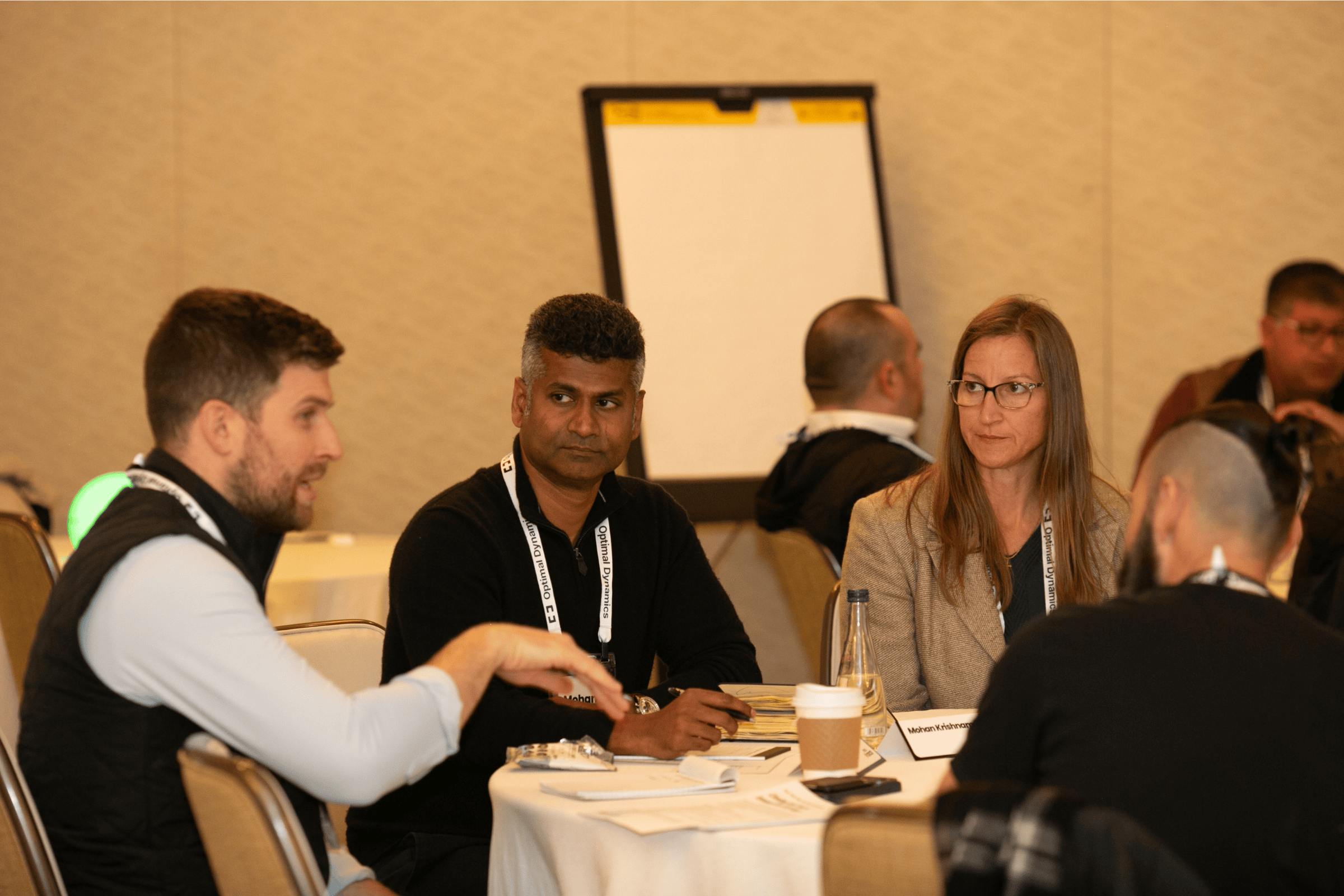
Across sessions, speakers emphasized that sustainable growth comes from smarter operations, not simply moving faster. In this context, scale is about building repeatable systems that allow the business to move forward with confidence — even in uncertain conditions. It’s not about adding trucks, people, or locations for the sake of growth, but about creating an operating model that can support growth when it makes sense.
That pragmatic mindset showed up repeatedly in conversations about capital, staffing, and operational priorities. As Samantha Bodnar of D.M. Bowman put it:
“You still have to move the business forward. We’ve slowed our equipment purchases, we’ve cut costs, but other than that, you still have to keep going.”
Taken together, these perspectives reinforced the powerful idea that intentional scale doesn’t require fanfare. It requires discipline, patience, and systems that support consistent execution. The companies best positioned for what comes next are the ones quietly building the capability to grow when the moment is right.
Takeaway #4: Automation Is About Freeing Humans, Not Replacing Them
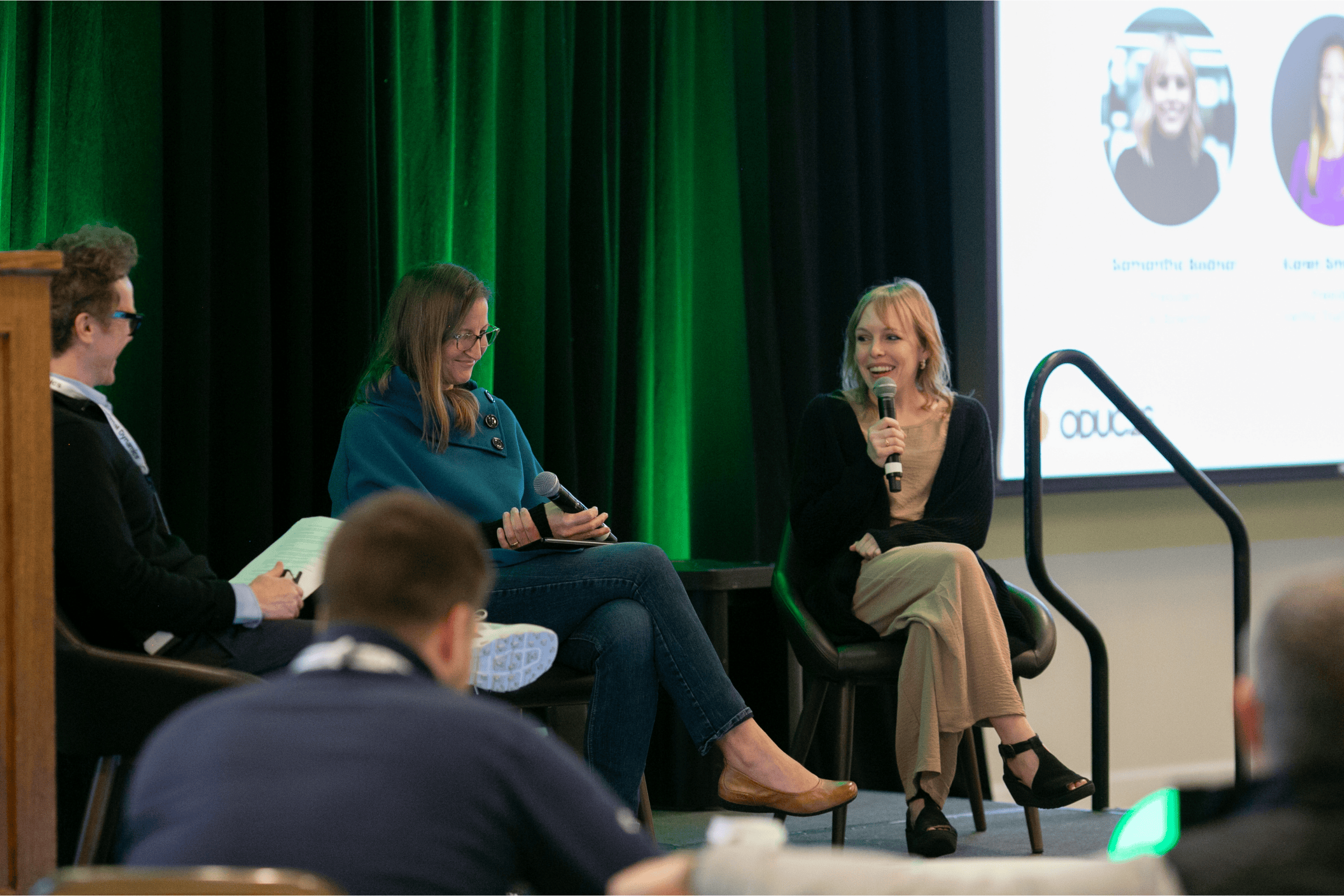
If there was one misconception ODUC26 consistently pushed back against, it was the idea that automation means removing people from the equation. Again and again, speakers emphasized that the goal isn’t fewer humans but rather better use of human judgment.
As Ben Marks of Optimal Dynamics said during a product-focused session:
“The goal is that they spend 20% of their time on 80% of the decisions, and then the remaining 80% of their time on really complex tasks that aren’t a big math problem, but require human touch, it requires knowing shippers more intimately than what you can show in the data.”
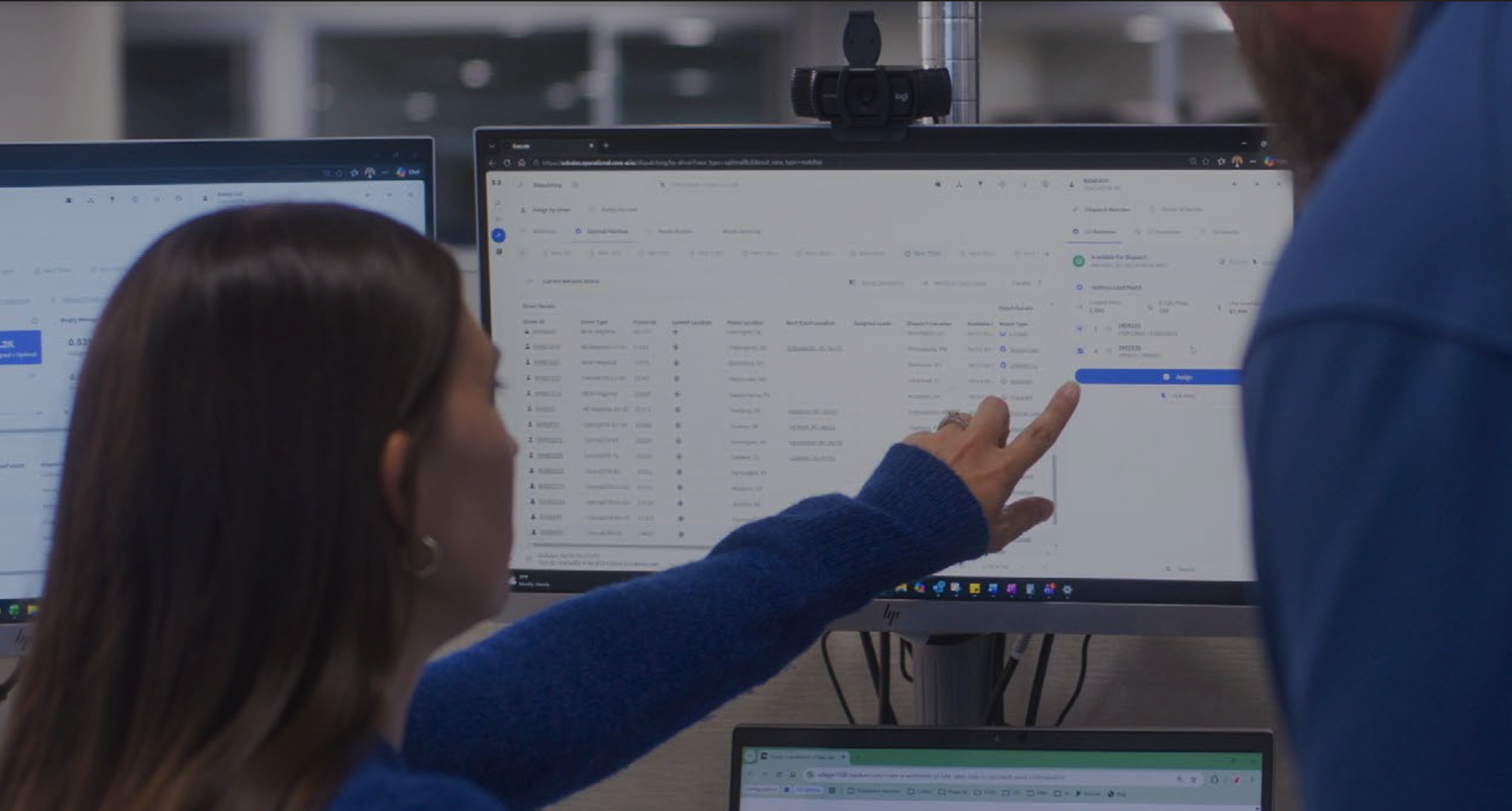
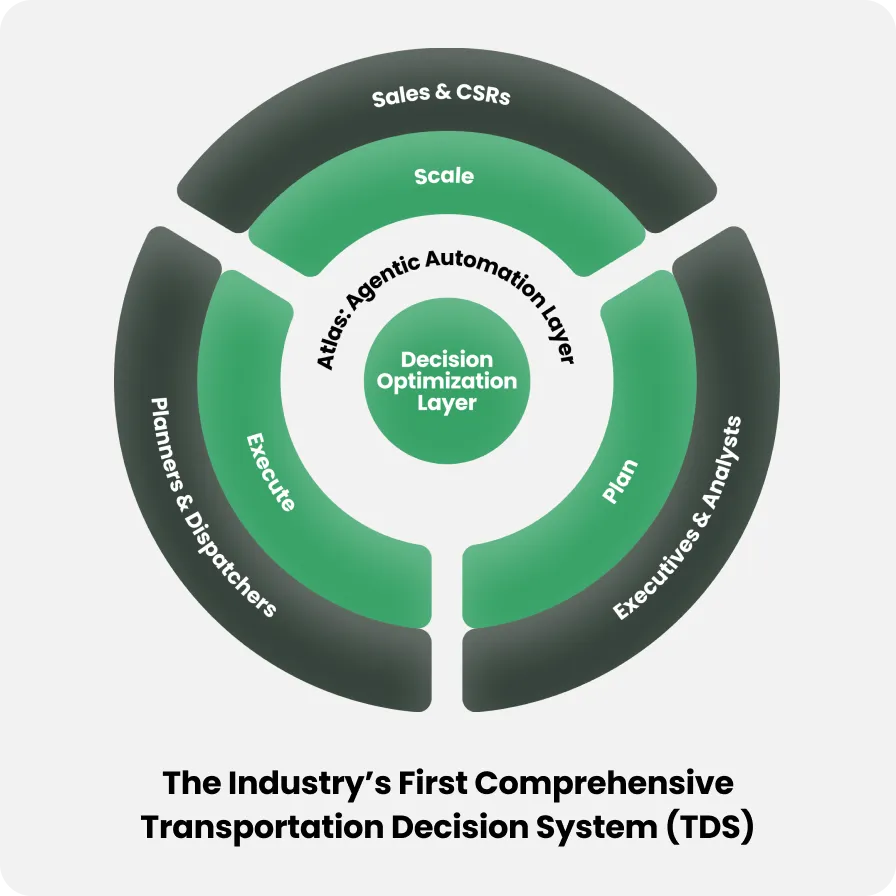
Automation, in this context, becomes a force multiplier. By taking on high-volume, network-wide decisions across the operation, it creates space for people to focus on what they do best: navigating nuance, managing exceptions, and building trust.
Rather than eroding the human element of the business, automation strengthens it. By freeing teams from constant fire drills and manual workarounds, organizations can reinvest time and attention into the people who keep freight moving.
Takeaways #5: Stronger Shipper Relationships Start With Better Decisions
As the conversations at ODUC26 made clear, the benefits of better planning and automation extend far beyond internal efficiency. They show up most visibly in the strength and durability of shipper relationships.
In volatile markets, consistency matters. Shippers remember who showed up, who communicated clearly, and who made reliable decisions when conditions were tough. Trust is built over time through thousands of small decisions. Automation and network-level planning play a critical role here by reducing avoidable failures and giving teams the confidence to execute with precision.
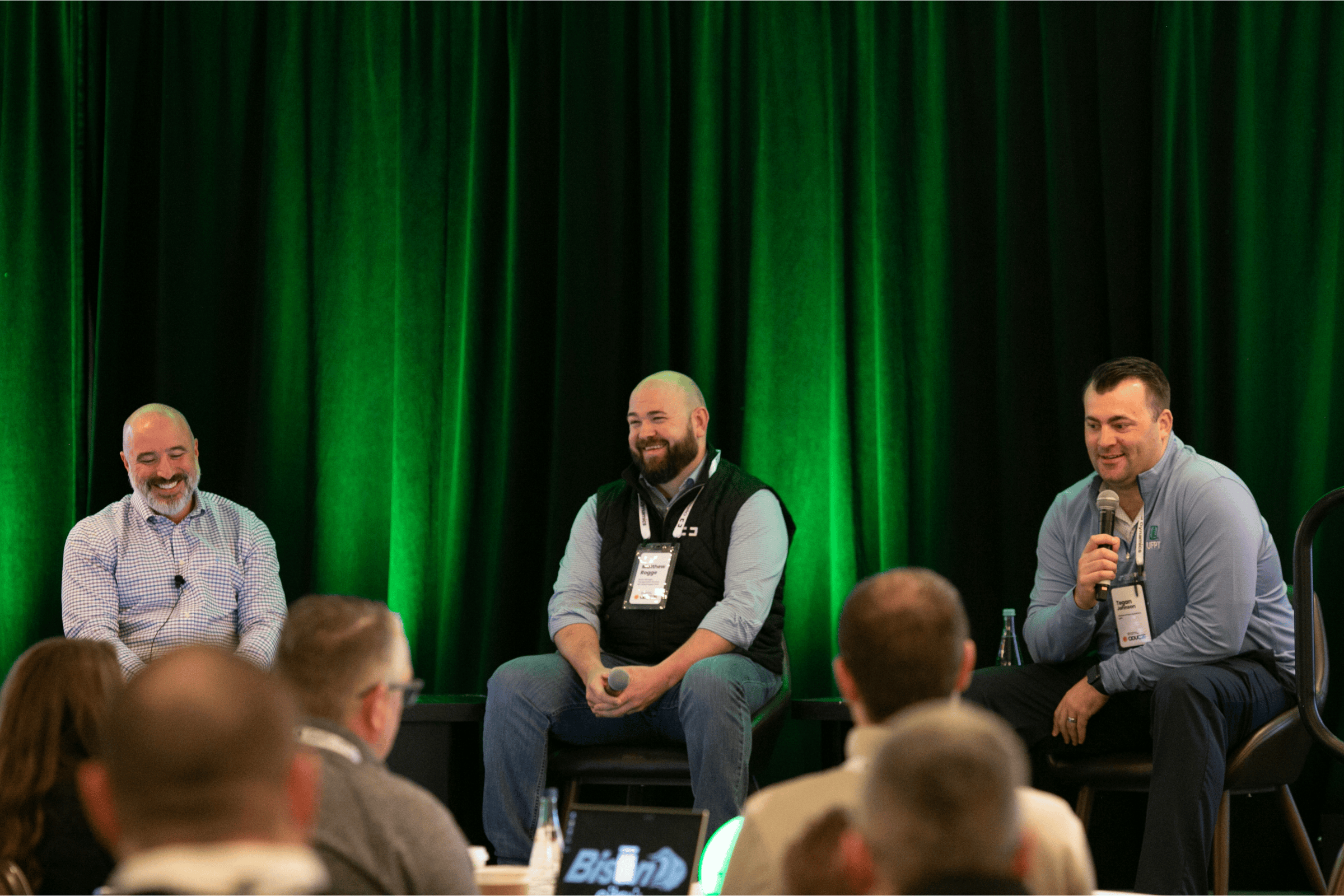
That long-term view was echoed from the shipper perspective. Tegan Johnson of UFP Industries emphasized that strong partnerships don’t materialize overnight:
“It’s absolutely relationship-driven on our side … you don’t get those relationships when the spot market is on fire if you didn’t build them beforehand.”
Together, these perspectives reinforced that better decisions lead to better outcomes, both in operations and in relationships. The companies investing in smarter planning are earning trust that will shape who gets the first call when the market turns.
Beyond the Sessions: Sailing, Trust, & Community
While the sessions at ODUC26 sparked thoughtful conversations about strategy, automation, and the future of the industry, some of the most meaningful connections happened outside the conference room.
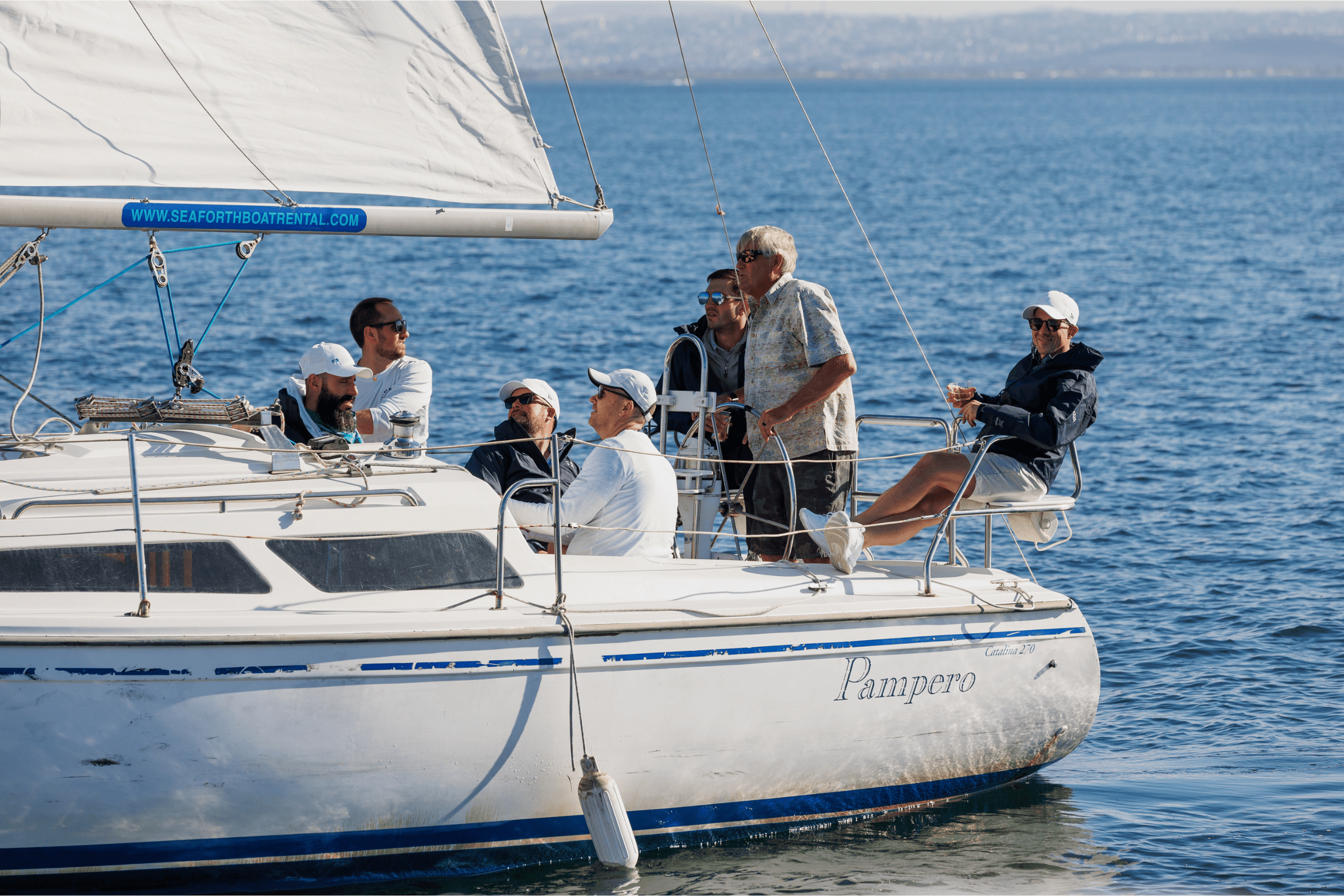
After Monday’s sessions, attendees headed to San Diego Bay for the ODUC Sailing Regatta — an experience designed to bring people together in a completely different setting. Whether participants joined a racing crew or opted for a more relaxed spot on the committee boat, the afternoon created space for collaboration, friendly competition, and conversations that extended well beyond work.
Just like last year’s outdoor experiences at ODUC25 in Tucson, the sailing regatta reinforced the value of teamwork, communication, and trust. By stepping away from slide decks and schedules, attendees had the opportunity to connect as peers, share perspectives, and strengthen relationships that will continue long after the conference concluded.
Preparing for What’s Next
Across three days in San Diego, a clear throughline emerged from every session, conversation, and shared experience: The companies best positioned for what comes next aren’t waiting for perfect conditions. They’re using this moment to invest thoughtfully, strengthen decision-making, and build the operational discipline required to move with confidence when opportunity appears.
The takeaway was that volatility doesn’t have to dictate strategy. With the right systems, data, and mindset in place, organizations can shift from reacting to uncertainty to navigating it intentionally.
Interested in learning more about Optimal Dynamics and becoming a part of this community that is charting the course for the future? Get in touch with us to schedule time for a demo.